
 Grandde
 Stretchz
 Comfortz
 UK CLASSIC
 Platina
 Relaxz
 Acttive
 FASHION RANGE
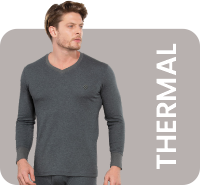 Thermal
 IGNITE
 Winter Wear
 Footkins
 Accessories
 Vest
 Brief
 Trunk
 T-Shirt
 Half Pants
 Track Pants
 Socks
 Thermal
 Sweatshirt
 Jackets
 Duffle Bag
 Messenger Bags
 Sling Bags
 Backpack
Single Blog
Guide to Best Thermal Clothes for Winter: Men, Women & Kids
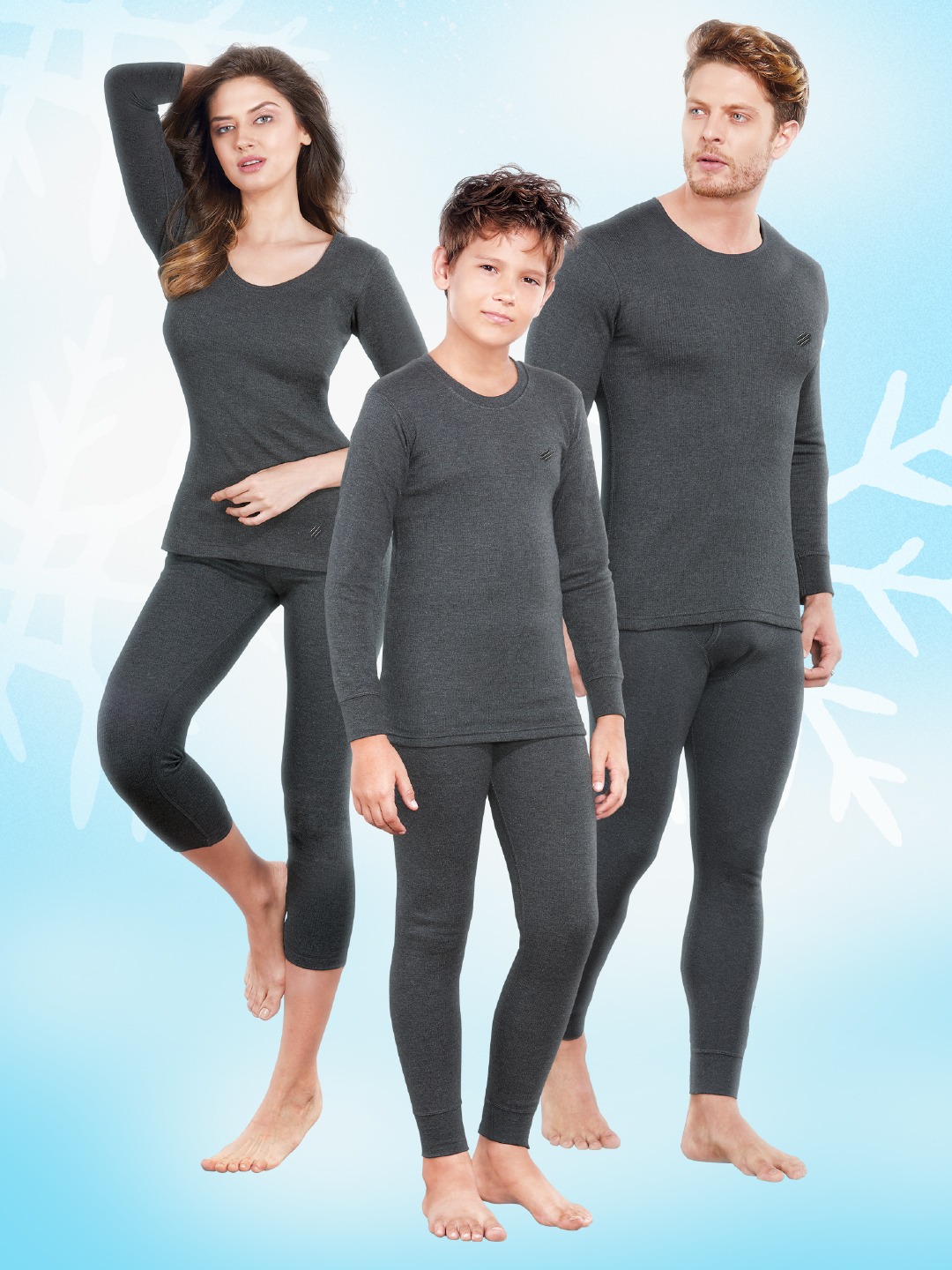
Table of Contents
- Introduction
- What Makes Thermal Wear the Best Base Layer for Winter?
- What Are the Types of Warm Clothes You Need for Winter Layering?
- How Do You Layer Clothes in Winter With Thermal Wear as the Base?
- Which Thermal Wear Is Best for Men?
- Which Thermal Wear Is Best for Women?
- How Do You Choose the Best Thermal Clothes for Kids?
- How Do You Care for Thermal Wear So It Lasts the Season?
- How Do You Pick the Right Size and Fit for Thermal Wear?
- Building a Complete Thermal Wardrobe for the Family
- Frequently Asked Questions
Thermal wear is the layer nobody sees and everybody needs. The best thermal clothes for winter work quietly under your regular outfit, trapping warmth without adding bulk, and the right choice differs for men, women and kids more than most buying guides admit. This guide covers the fabrics behind thermal wear, how it fits into your winter layering, and how to choose the right one for every member of the household.
What Makes Thermal Wear the Best Base Layer for Winter?
A base layer only has three jobs: trap body heat, move sweat away from the skin, and stay invisible under whatever you wear over it. Thermal wear does all three by sitting close to the body rather than piling on thickness, which is why a thin thermal top under a shirt keeps you warmer than one heavy sweater worn alone.
What Are the Types of Warm Clothes You Need for Winter Layering?
Thermal wear is not one fabric. The types of warm clothes on the market differ mainly in how they balance warmth, breathability and feel against the skin.
| Thermal Fabric | Warmth | Feel | Best For |
|---|---|---|---|
| Cotton thermal | Moderate | Soft, breathable | Daily wear, sensitive skin, kids |
| Wool blend thermal | High | Warmer, slightly heavier | Severe cold, hill stations |
| Thermal fleece | High | Fuzzy, quick warmth | Extreme cold mornings |
| Moisture wicking blend | Moderate to high | Stretchy, dries fast | Travel, active days |
How Do You Layer Clothes in Winter With Thermal Wear as the Base?
How to layer clothes in winter starts with what sits closest to the skin. Thermal wear should fit snug, not tight, so it moves heat instead of trapping sweat against you. Over it comes the mid layer, a sweatshirt or sweater, and then a jacket only once you step outside. For the complete three layer system and ready combinations by city, see the winter outfit ideas guide and the full types of winter wear breakdown.
The Men's Full Sleeve Round Neck Thermal is built for exactly this, thin enough to disappear under a shirt or sweatshirt while doing most of the actual warming.
Which Thermal Wear Is Best for Men?
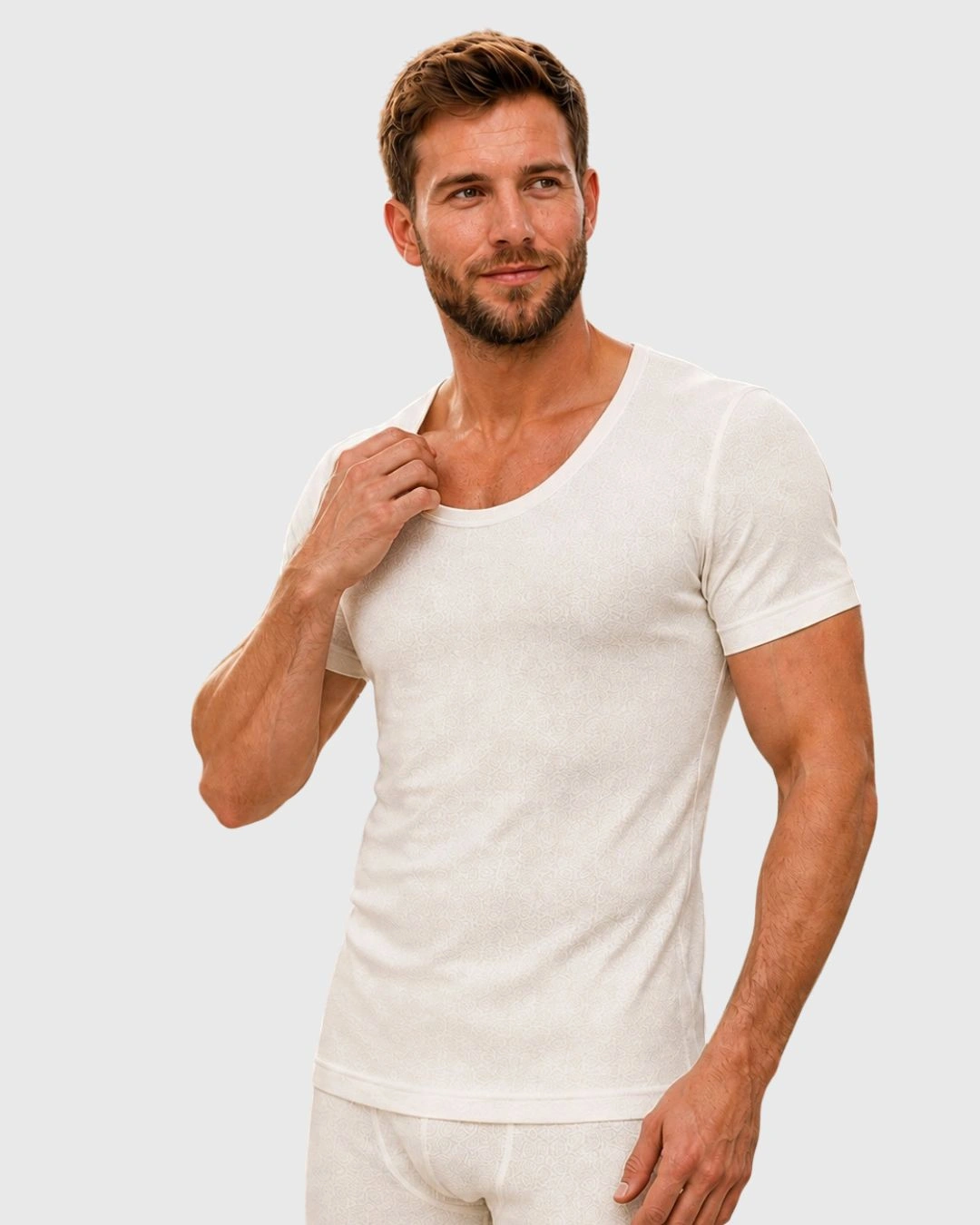
Full sleeve thermal tops work best under a shirt or sweatshirt for severe cold, while a half-sleeve round neck thermal suits milder days or wear under a t-shirt without changing how the sleeves fit. Add a thermal trouser once temperatures drop into single digits, since cold legs undo most of the warmth a good top provides.
Which Thermal Wear Is Best for Women?
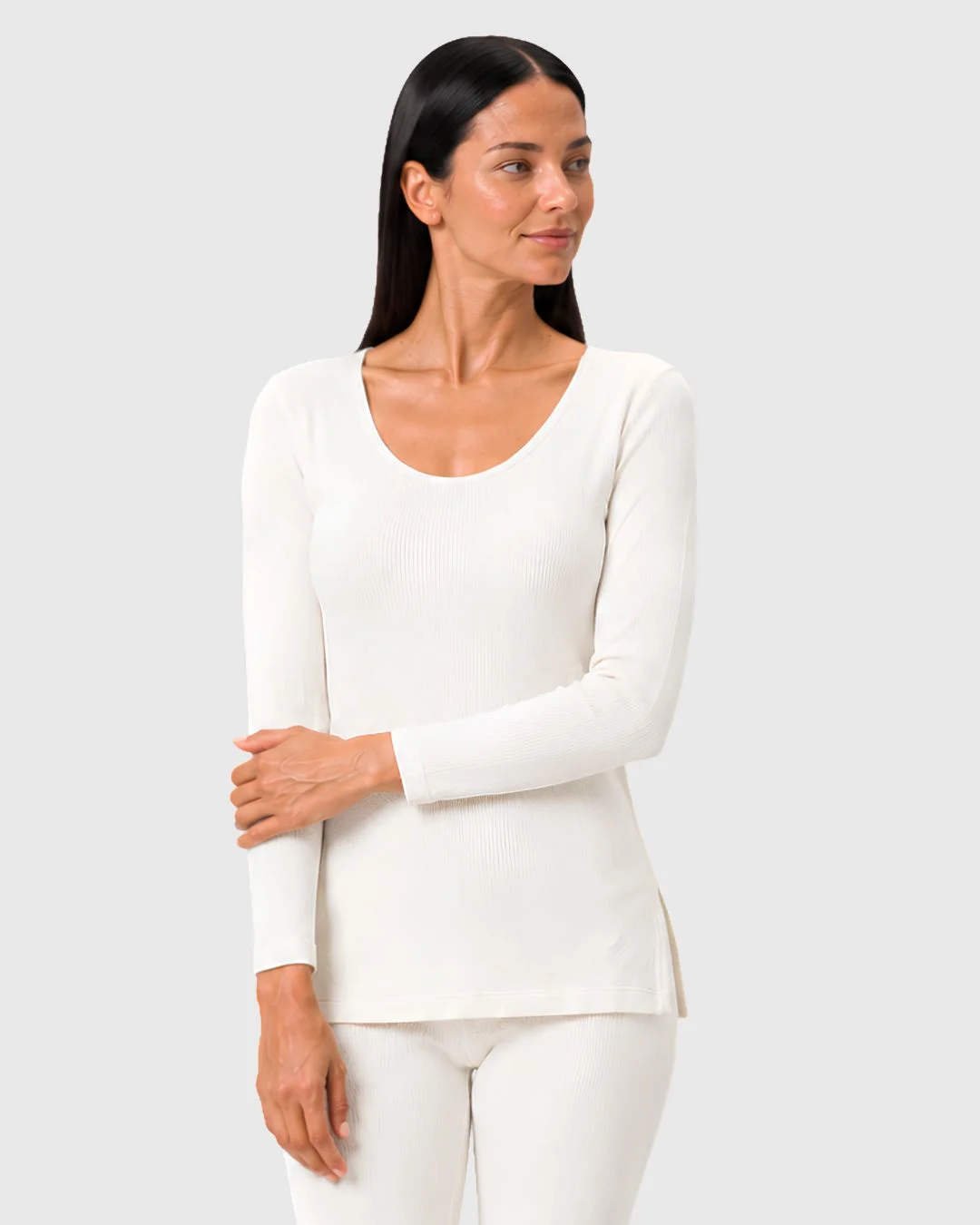
Women's thermal wear needs to layer under sarees, kurtas and dresses without showing at the neckline or sleeve. A 3/4th sleeve U-neck thermal sits low enough to stay hidden under most necklines, while a slip style works well under fitted outfits where a full sleeve would add visible bulk at the shoulder.
How Do You Choose the Best Thermal Clothes for Kids?
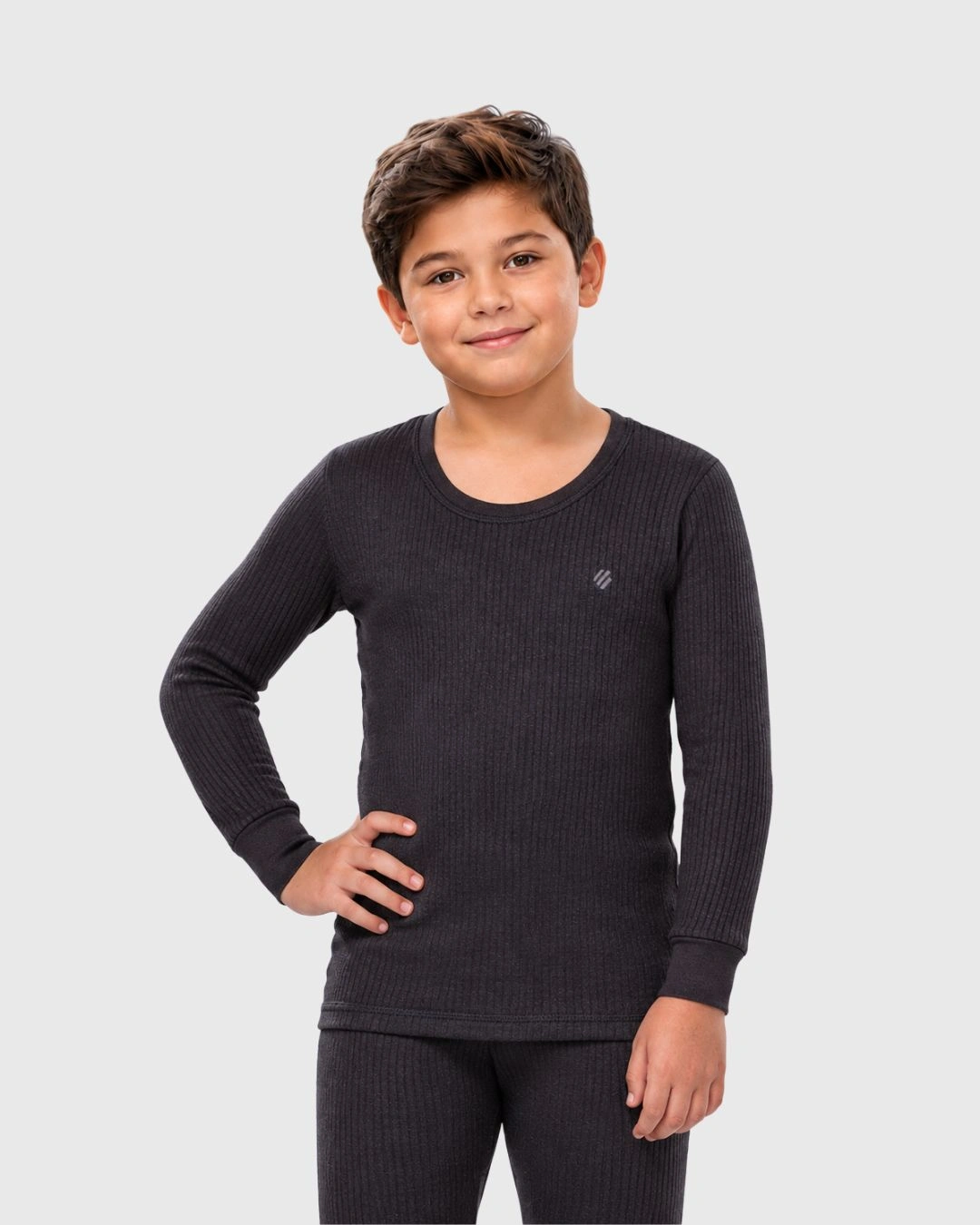
Kids need softer, no-itch fabric more than adults do, since sensitive skin reacts faster to rough seams and tight elastic. Choose easy pull-on designs over anything with fiddly buttons for school mornings, and size by age rather than height alone, since children's builds vary widely at the same age. The Kid's Full Sleeve Round Neck Premium Thermal covers this brief with a soft cotton blend that layers easily under a school uniform.
How Do You Care for Thermal Wear So It Lasts the Season?
- Wash inside out in cold water to protect the fabric surface that traps warmth.
- Skip fabric softener, which coats fibres and reduces how much heat they hold.
- Dry flat rather than in a hot dryer, since heat shrinks thermal fabric and warps the fit.
- Rotate at least two sets so one is always ready while the other dries.
How Do You Pick the Right Size and Fit for Thermal Wear?
Thermal wear should feel snug, never tight, since a fabric that presses on the skin stops moving heat properly and grows uncomfortable within an hour. Adults generally run from XS to 4XL, and sizing up by one is worth it only if the thermal is worn under a bulky mid layer rather than alone. For kids, size by age bracket and leave a little room to grow rather than buying an exact fit.
Building a Complete Thermal Wardrobe for the Family
A complete winter wardrobe for the household needs at least one full sleeve set per person, a trouser for anyone facing severe cold, and a lighter half sleeve or sleeveless option for milder days. Two sets per person is usually enough for one wash cycle, so nobody is left waiting for a thermal top to dry on a school or work morning.
- Men: one full sleeve top, one sleeveless or half sleeve top, one thermal trouser.
- Women: one full sleeve or 3/4th sleeve top, one slip style for fitted outfits, one trouser.
- Kids: two full sleeve tops in a soft cotton blend, one trouser, sized with room to grow.
Browse the full range of thermal winter wear to compare men's, women's and kids' fits side by side, then head back to the types of winter wear guide for how thermal wear fits into the rest of the wardrobe.
Frequently Asked Questions
1. What is the best thermal wear for winter for everyday use?
A full sleeve cotton or cotton blend thermal top works for most daily wear, thin enough to sit under a shirt or sweatshirt without bulk.
2. How to layer clothes in winter without feeling bulky?
Keep the base thermal thin and snug, the mid layer soft, and add a jacket only once you are outside.
3. Can kids wear the same thermal fabric as adults?
Kids generally need a softer, no-itch cotton blend, since their skin reacts faster to rougher wool or fleece fabrics.
4. Should thermal wear fit tight or loose?
Snug, not tight. It should sit close to the skin without pressing on it, so it can move heat and sweat properly.
5. What types of warm clothes work best for extreme cold?
A wool blend or thermal fleece top paired with a thermal trouser, layered under a sweatshirt and jacket.
6. How often should thermal wear be washed in winter?
Every two to three wears is enough for most people, more often only after workouts or heavy sweating.