
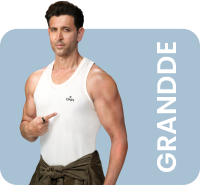
 Grandde
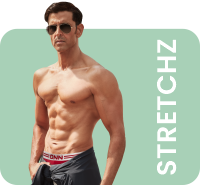 Stretchz
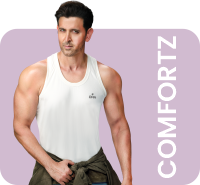 Comfortz
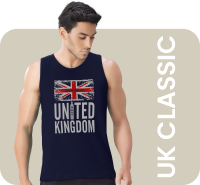 UK CLASSIC
 Platina
 Relaxz
 Acttive
 FASHION RANGE
 Thermal
 IGNITE
 Winter Wear
 Footkins
 Accessories
 Vest
Vest Brief
Brief Trunk
Trunk T-Shirt
 Half Pants
 Track Pants
 Socks
Socks Thermal
 Sweatshirt
 Jackets
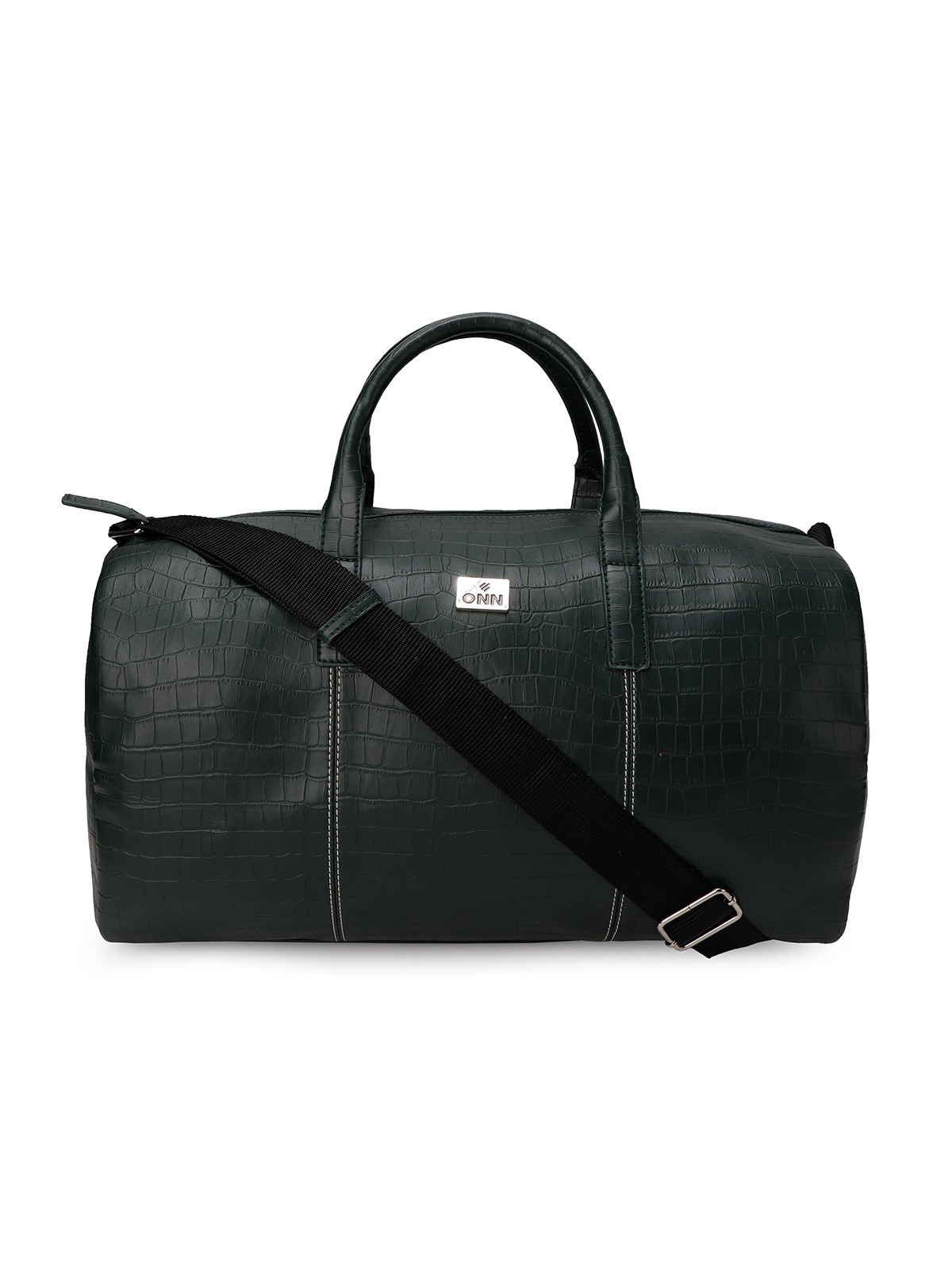 Duffle Bag
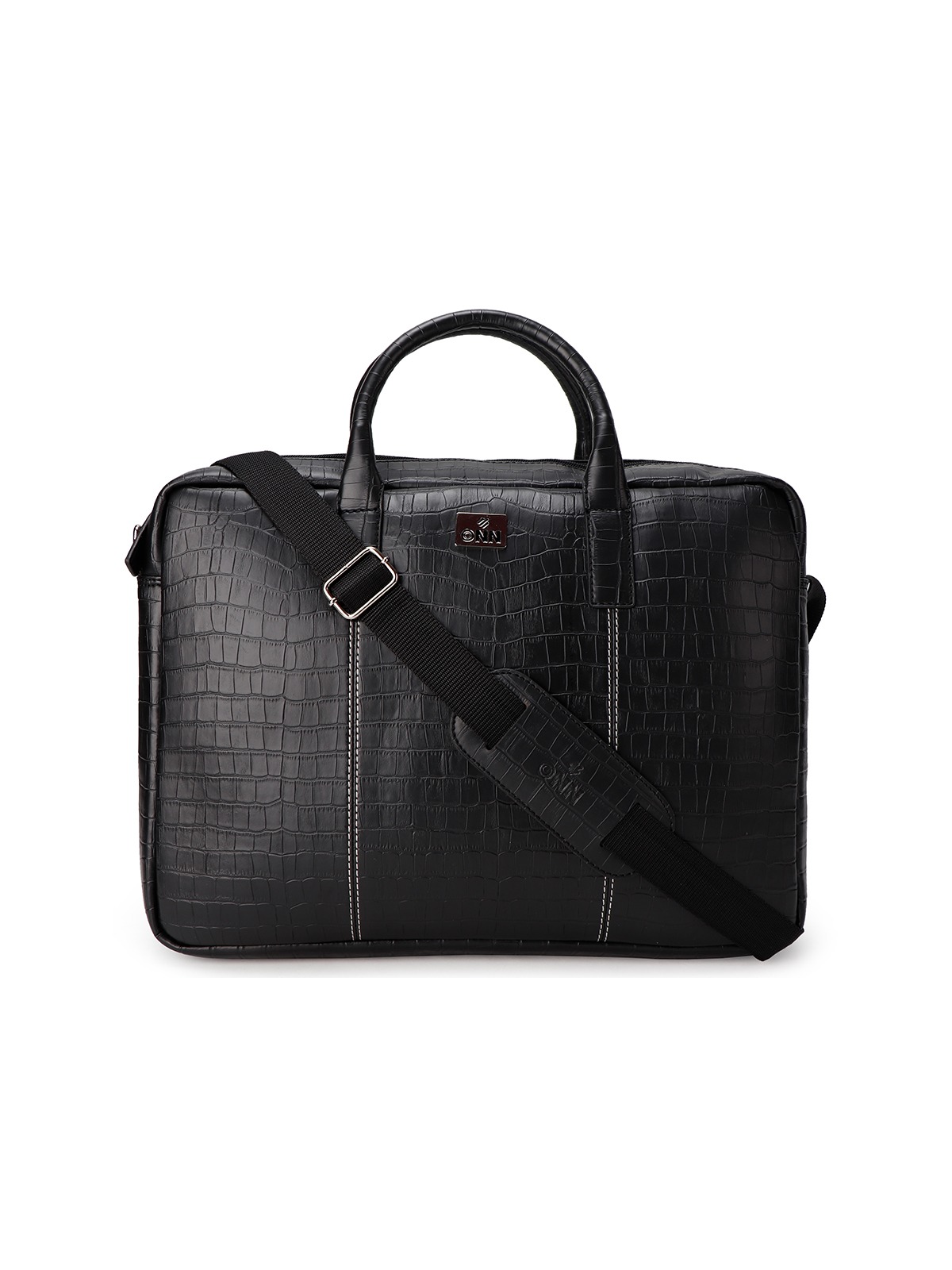 Messenger Bags
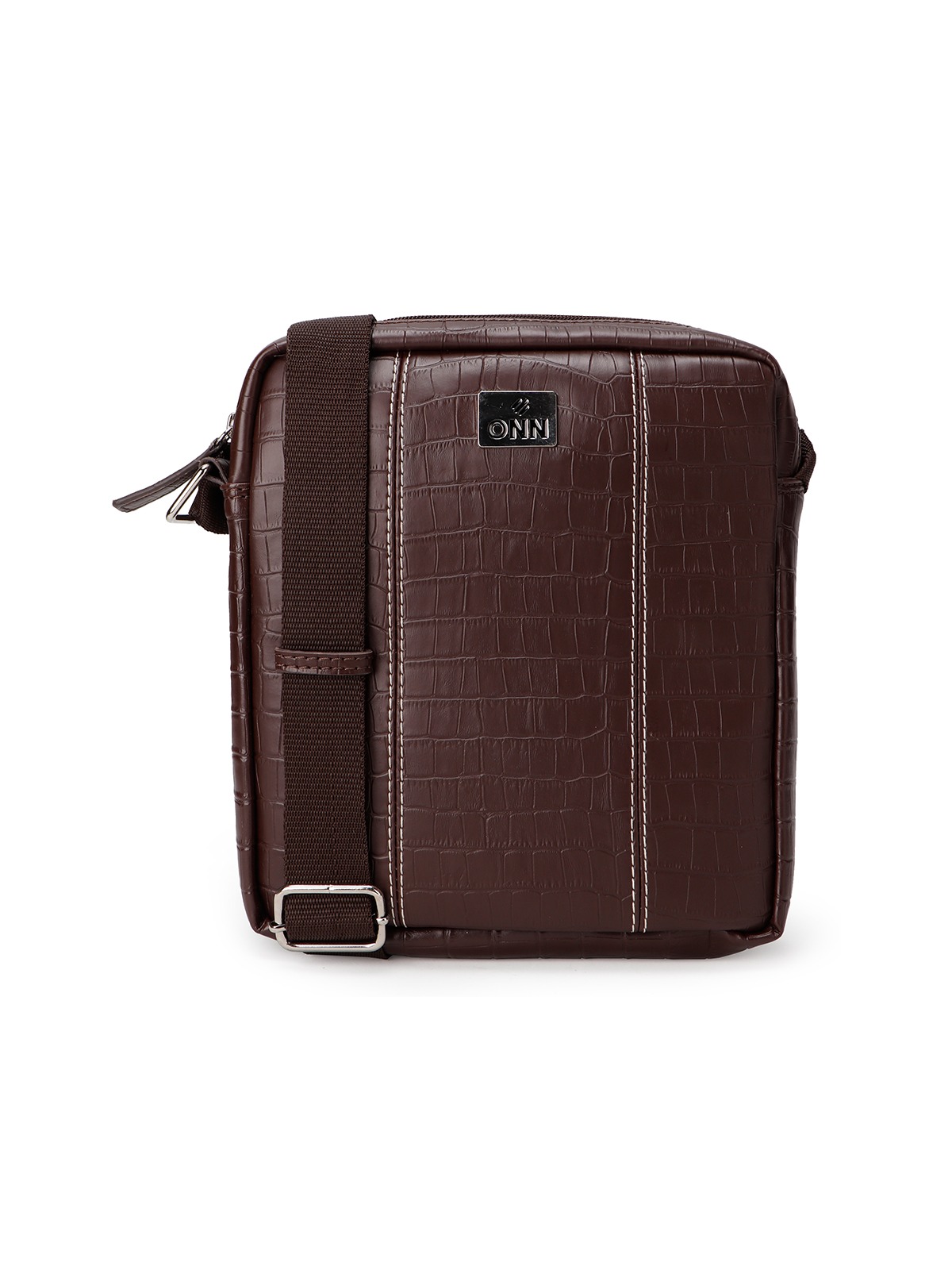 Sling Bags
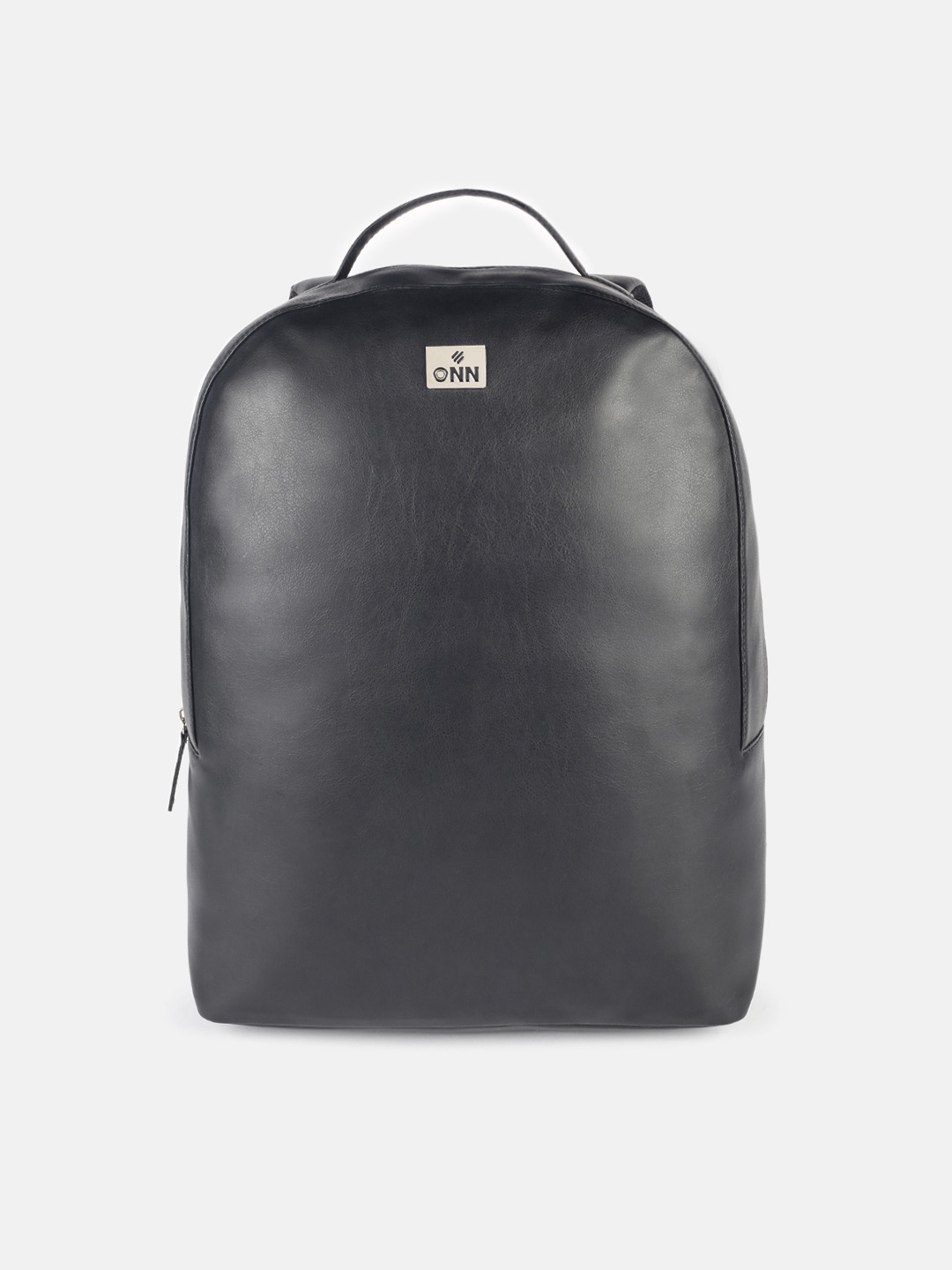 Backpack
Single Blog
What are Vests? Types, Benefits & Fabric Guide for Men
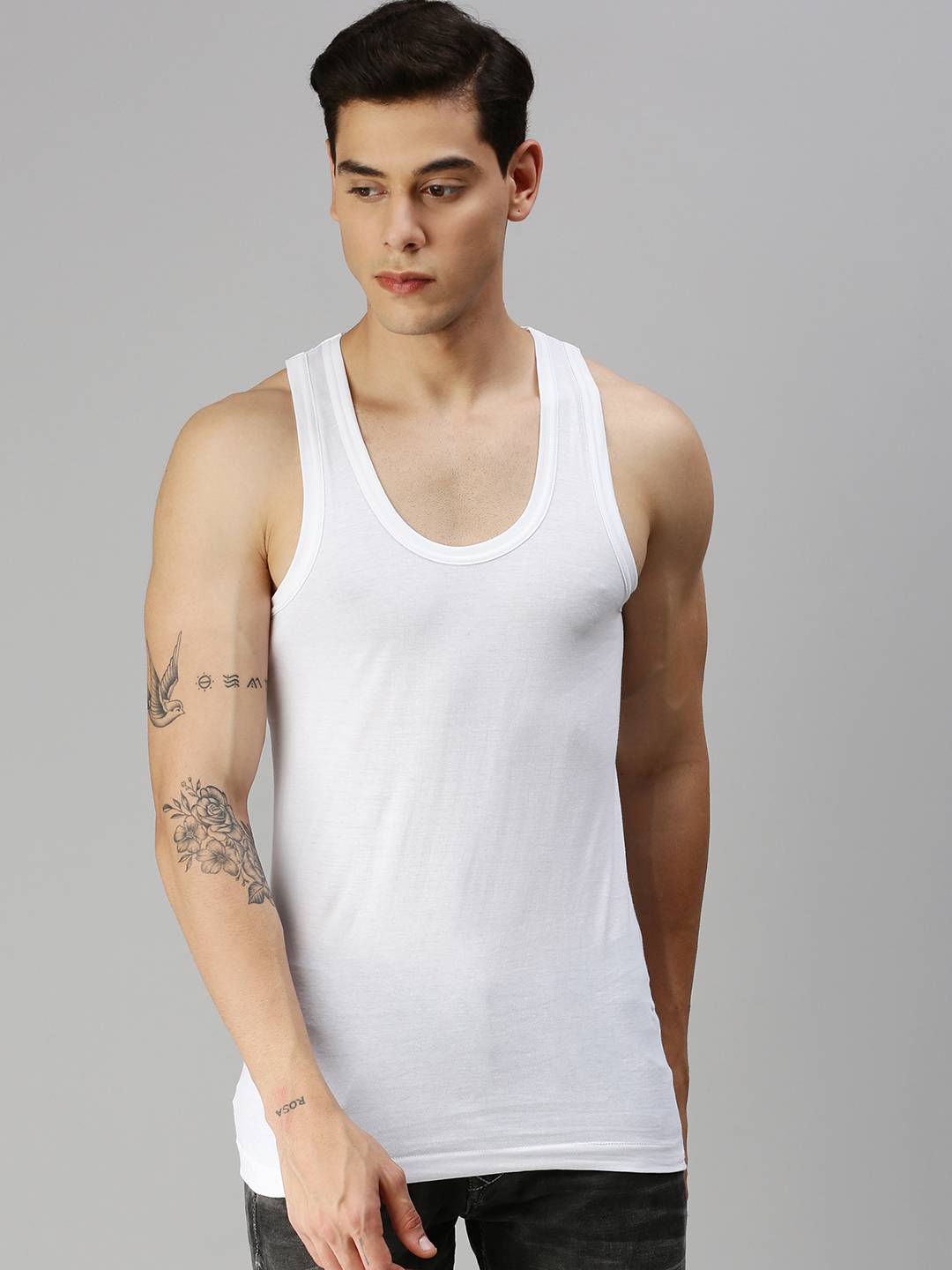
Table of Content
- Introduction
- What Is a Vest?
- Why Do Inner Vests Matter in Daily Clothing?
- Types of Vest for Men
- Vest Fabrics and Their Functional Differences
- How Inner Vests Fit Different Clothing Styles
- How Inner Vests Improve Clothing Longevity
- Choosing the Right Vest
- The Role of Innerwear Brands in Modern Apparel
- Conclusion
- Frequently Asked Questions
People usually choose their clothing from two categories, which include outerwear, shirts, trousers and jackets or traditional garments. The base layer of clothing that people wear as innerwear directly affects their comfort, their ability to maintain hygiene and their capacity to perform in various situations. The right choice of inner clothing helps the body maintain its temperature, while the body's sweat control and outer clothing design stay comfortable throughout the entire day.
The inner vest serves as the most common innerwear choice that men include in their daily clothing collection. The garment functions as a weightless base layer that people wear under their shirts, T-shirts, sweaters and traditional clothing. The vest serves an important function in daily outfits because it enhances comfort while protecting the outer clothing from damage.
What Is a Vest?
The inner vest functions as an undergarment that people wear under their outer clothing. The garment system functions as a protective barrier that prevents skin contact with outer clothing, while the system helps users handle sweat and friction and maintain their comfort throughout the day. The basic purpose of a vest in clothing layers must be understood through its fundamental definition. A vest maintains its lightweight and fitted design through its use of breathable fabrics, which allow it to be worn comfortably under shirts and other clothing. The design enables the clothing item to stay close to the body, which allows it to collect sweat while keeping the body cool through airflow. People commonly use the term 'vest' to describe both undershirts and sleeveless innerwear.
The terms share some similarities, but they describe different things because they have particular distinctions.
Vest: The garment has a sleeveless design, which includes a basic neck design that people use for their everyday fashion needs. Undershirt: The garment includes sleeves and deeper necklines, which people wear under formal shirts.
The vest serves as a primary clothing item that establishes the framework for men's clothing systems.
Why Do Inner Vests Matter in Daily Clothing?
The presence of a vest beneath clothing may not always be visible, but its functional role is significant. For men who wear shirts, T-shirts, or traditional garments throughout the day, the vest serves several practical purposes.
Sweat Absorption
One of the most important vest benefits is its ability to absorb perspiration. During daily activities such as commuting, working, or travelling, the body naturally produces sweat. A vest absorbs moisture before it reaches the outer garment, keeping shirts dry for longer periods.
Comfort Layer
Vests function as soft barriers that protect skin from contact with outer clothing materials. The layer minimises skin irritation, which occurs when rough materials, seams and synthetic fabrics come into contact with skin.
Protection of Outer Garments
Formal shirts and kurtas represent outer garments that require special care for their fabric maintenance. The vest creates a barrier that stops sweat, body oils and deodorant from reaching the skin. The vest protects clothing from contamination through its protective features, which serve as the main advantages of this garment.
Improved Fit and Structure
A vest allows shirts to achieve better body alignment because it provides an even surface. The garment creates a smooth foundation that stops outer clothing from sticking to the body because of perspiration and moisture.
Added Warmth
The vest provides extra insulation to people who work in cold outdoor spaces or air-conditioned indoor environments because it adds extra warmth without extra weight. The vest provides multiple benefits that function as essential components of daily clothing requirements.
Types of Vest for Men

The market offers multiple styles of inner vests designed for different clothing preferences and functional needs. Understanding the types of vests available helps in selecting the appropriate option for specific occasions.
Sleeveless Classic Vest
The most common style of male clothing exists in every climate around the world. The design includes wide shoulder straps, which create a standard neckline that enables people to wear it with most shirt types. Half-Sleeve Undershirt
The vest design contains short sleeves, which help the wearer to absorb sweat from their underarm area. People commonly wear it beneath their formal shirts and business clothing.
Deep-Neck Vest
This style features an open-front design which enables men to wear it with open-collar shirts. It allows men to maintain a clean appearance without the vest being visible.
Athletic or Compression Vest
Athletic vests use flexible fabrics that create a body-hugging design. People use these garments for their training sessions and fitness workouts.
Square-Neck or Traditional Vest
A square neckline improves shirt coverage for specific shirt designs, which people often choose to wear with traditional outfits. Understanding these types of vests allows individuals to match innerwear with their specific clothing requirements.
Sleeveless Innerwear and Everyday Practicality
The sleeveless inner for men remains one of the most widely used innerwear garments because its design enables people to wear it throughout their daily activities.
Freedom of Movement
Sleeveless construction enables people to move their arms without any limitations. This feature benefits people who spend their day between physical work and daily commuting activities.
Lightweight Structure
Men's sleeveless innerwear design needs less fabric which results in reduced weight when used as an undergarment for shirts and T-shirts. The vest design maintains its hidden appearance while delivering essential needed features. The sleeveless innerwear works effectively under various clothing items which include formal shirts casual shirts T-shirts and lightweight jackets.
Vest Fabrics and Their Functional Differences
The comfort and performance of inner vests rely on fabric selection, which stands as the most crucial factor for vests. The different vest fabrics provide various levels of breathability, together with moisture absorption and durability capabilities.
Cotton
Cotton serves as the main fabric choice for innerwear because it provides users with soft and breathable material that naturally absorbs moisture. Advantages include: high comfort level effective sweat absorption skin-friendly texture The combination of these qualities maintains cotton as a popular choice for everyday inner wear through its use as one of the primary vest fabrics.
Cotton Blends
The combination of cotton with synthetic fibres creates fabrics that provide both stretch and durability advantages. The blended fabrics maintain cotton softness while they develop strength to withstand both washing and everyday use.
Micro Modal Fabric
Micro modal is becoming increasingly popular for innerwear due to its exceptional softness and superior moisture-wicking properties. Made from natural beechwood fibres, this fabric feels smoother and lighter on the skin compared to traditional materials. It also offers excellent breathability, helping maintain comfort throughout the day.
For active use, synthetic materials are often used in athletic vests as they are designed to wick sweat away from the skin and dry quickly, making them suitable for sports and high-movement activities.
Choosing the right vest fabric depends on three key factors: environmental conditions, level of physical activity, and how your skin reacts to different materials.
How Inner Vests Fit Different Clothing Styles
The design of inner vests permits them to work as a fundamental base layer that supports multiple clothing styles from formal outfits to casual wear.
Under Formal Shirts
Office workers need formal shirts that they can wear throughout their entire work shift. A vest beneath the shirt absorbs sweat and prevents visible moisture patches, maintaining a neat appearance.
Under T-Shirts
Some men choose to wear T-shirts without any inner clothing, but vests help them stay more comfortable because vests stop sweat from contacting the T-shirt materials.
Under Sweaters and Jackets
People use vests as a solution to maintain warm body temperature during cold weather because vests provide extra body warmth without increasing their overall weight. This system keeps the body comfortable when people wear multiple clothing items.
Under Traditional Clothing
Traditional garments such as kurtas are often made from light fabrics. A vest beneath them ensures modest coverage and absorbs perspiration during long events or gatherings. Through these uses, the vest integrates easily into both modern and traditional clothing systems.
What to Wear Under Kurta Pyjama
Traditional Indian clothing often involves lightweight fabrics such as cotton, linen, or silk blends. These materials can be breathable but may also become transparent or cling to the skin during warm weather.
The recommended solution for wearing a kurta-pyjama requires people to select inner vests as their primary choice. The length of time people wear clothing needs to maintain their comfort throughout the entire duration. Traditional clothing becomes the required dress code for festivals, weddings and cultural events that last the entire day. The vest works to keep users comfortable by its ability to absorb moisture from their bodies. The process of preserving fabric structure requires maintenance of the original shape throughout the entire duration of use.
The humidity and perspiration from the environment cause lightweight kurtas to cling to the body. The vest functions as a base layer that keeps the outfit structured throughout the day. The vest delivers extra coverage, which helps the clothing to maintain its tidy appearance. People use inner vests as their main choice for daily and festive kurta-pyjama outfits because of this reason.
How Inner Vests Improve Clothing Longevity
In addition to comfort, inner vests play a practical role in maintaining outer garments.
Protection from Sweat
Sweat contains salts and oils that can gradually weaken fabrics. Wearing a vest absorbs much of this moisture before it reaches shirts or kurtas. Reduction of Deodorant Stains Direct contact between deodorant and shirt fabric can cause staining or discolouration. A vest acts as a barrier, reducing this risk.
Lower Washing Frequency
Because the vest absorbs sweat and body oils, outer garments may not require washing as frequently. This helps preserve fabric quality and colour.
Extended Garment Lifespan
Frequent washing, especially in strong detergents, can reduce the lifespan of clothing. By protecting garments from sweat exposure, vests indirectly extend the durability of shirts and other outerwear.
Choosing the Right Vest for Daily Wear
Selecting the right inner vest involves considering multiple practical factors related to clothing habits and climate conditions.
Climate
In warm regions, lightweight cotton vests are typically preferred for their breathability and moisture absorption.
Fabric
Fabric selection affects comfort, durability, and sweat management. Cotton and cotton blends are widely used for everyday wear.
Neckline Design
Different neckline styles serve different clothing needs. Deep-neck designs remain hidden under open-collar shirts, while standard necklines work well with casual clothing.
Fit
The vest should sit close to the body without restricting movement. A proper fit ensures effective sweat absorption and prevents visible bunching under shirts.
Intended Use
Some men maintain separate vests for office wear, casual clothing, and traditional outfits. Choosing the appropriate vest style improves both comfort and appearance.
The Role of Innerwear Brands in Modern Apparel
Innerwear design has evolved alongside changes in clothing habits and fabric technology. Modern brands create clothing items that fulfil daily functional needs while providing long-lasting durability and comfortable wear. The brand ONN creates its innerwear products by using functional design elements, which include choosing fabric materials, ensuring customers receive a uniform fit and making sure products remain usable over extended periods.
The design elements of innerwear products demonstrate their function as essential components of men's fashion instead of being mere supplemental items. The innerwear companies improve daily clothing systems through their use of lightweight materials and their commitment to producing durable products.
Conclusion
Men choose to wear inner vests as essential elements of their daily outfits. The functional value of these items extends through various daily usage situations because they remain mostly unseen. A properly constructed vest delivers comfort benefits through its ability to absorb moisture, which decreases friction while it establishes a protective layer that separates the body from the exterior clothing. Men can choose from different vest styles, which enable them to find suitable options for formal events and casual outings, sports activities and traditional dress.
The selection of fabrics used in vest construction determines two important vital functions of the vest, which are its moisture handling capacity and its durability and breathability performance.
Inner vests serve a practical purpose by helping to maintain clothing because they shield shirts and other clothes from sweat and stains. The fabric of the garment provides two benefits, which include improving the garment's shape and enhancing the wearer's comfort.
Frequently Asked Questions
1. Why do men wear inner vests under shirts?
Men use inner vests because the garments provide them with dry work conditions while the vests shield their outer clothing from stains and body oils.
2. Are sleeveless vests suitable for everyday use?
Yes, sleeveless vests are commonly used for everyday wear because they are lightweight, breathable, and remain hidden under most shirts and T-shirts.
3. Which fabric is best for an inner vest?
The best fabric for inner vests is cotton because it provides breathable comfort and soft skin contact while effectively absorbing sweat.
4. Can inner vests be worn under traditional clothing?
The inner vests function as undergarments for kurta pyjama outfits because they deliver comfort and sweat absorption, together with lightweight fabric shape maintenance.
5. How should a vest fit for daily comfort?
A vest should fit close to the body without being tight. The correct fit allows for sweat absorption while preventing fabric bunching that occurs under outerwear.